
When businesses consider investing in an Enterprise Resource Planning (ERP) system, one of the biggest concerns they face is balancing the cost vs. value of the investment. ERP implementation is often a major financial and strategic decision, and understanding its Return on Investment (ROI) is essential for long-term success. Many organizations struggle to measure the true impact of ERP systems beyond their initial price tag. This article explores how to evaluate ERP ROI, the key cost factors, and the strategic value ERP brings to your business.
Understanding ERP and Its Importance
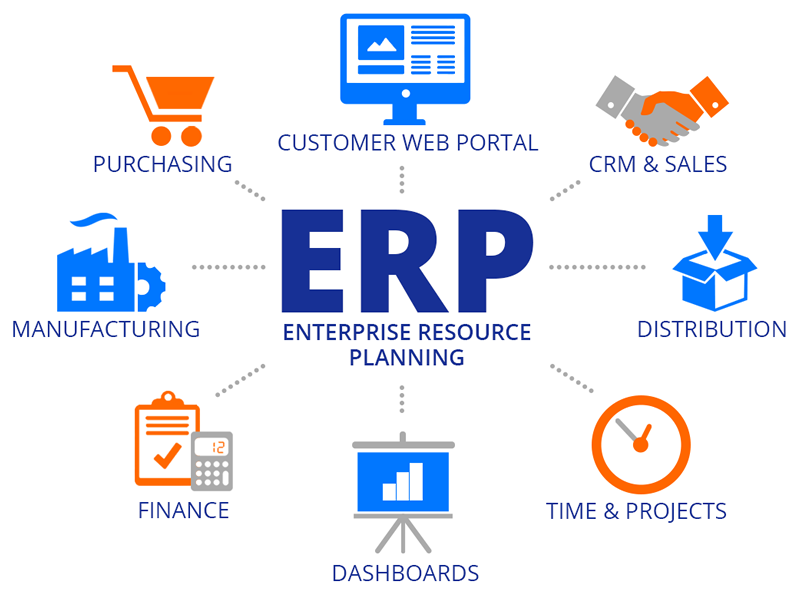
ERP (Enterprise Resource Planning) software integrates core business processes such as finance, supply chain, human resources, manufacturing, and customer service into a single system.
Why ERP Systems Matter for Modern Businesses
ERP systems eliminate data silos, enhance collaboration, and enable real-time data-driven decision-making. By automating workflows and centralizing data, businesses can streamline operations and reduce inefficiencies.
The Concept of ERP ROI
ERP ROI measures the value a business gains from its ERP investment compared to its total cost.
What ERP ROI Represents
Return on Investment (ROI) for ERP indicates whether the system is delivering enough financial and operational benefits to justify the cost. Positive ROI means your ERP system is contributing more in savings or productivity than it costs to maintain.
Why Measuring ERP ROI Matters
Many organizations fail to calculate ERP ROI correctly, focusing only on implementation expenses. Proper measurement allows businesses to make informed decisions, allocate resources wisely, and demonstrate the ERP system’s tangible benefits to stakeholders.
ERP Implementation Costs: What Businesses Should Expect
Implementing an ERP system involves more than just purchasing software.
Direct Costs
- Software Licensing: The cost of acquiring ERP software, whether on-premise or cloud-based.
- Hardware and Infrastructure: Servers, network systems, and related equipment for on-premise ERP.
- Consulting and Integration Fees: Payments for professional services to customize and integrate the system.
- Training and Support: Employee training and technical support are vital for successful adoption.
Indirect Costs
- Downtime During Implementation: Temporary disruptions in operations during ERP rollout.
- Change Management Costs: Time and resources spent adjusting to new workflows and processes.
- Ongoing Maintenance and Upgrades: Regular updates, patches, and security measures are necessary to keep the system optimized.
The Real Value of ERP Systems
While ERP systems involve significant investment, their long-term benefits often outweigh the initial costs.
Operational Efficiency
ERP automates repetitive tasks, reducing errors and improving speed across departments. Manual data entry and paper-based processes become obsolete, saving time and money.
Data Accuracy and Real-Time Insights
Centralized data ensures consistency across the organization. Real-time analytics allow managers to make faster, better-informed decisions.
Enhanced Customer Satisfaction
ERP systems improve customer service through better order tracking, faster response times, and more accurate information sharing.
Improved Financial Management
By integrating financial processes, ERP enhances budgeting, reporting, and cash flow management, resulting in greater transparency and control.
Measuring ERP ROI Effectively
Calculating ERP ROI involves comparing quantifiable benefits against total costs.
Step 1: Identify Tangible Benefits
List measurable gains such as reduced labor costs, improved production speed, lower inventory levels, and fewer errors.
Step 2: Identify Intangible Benefits
Include non-monetary advantages like better decision-making, improved customer relationships, and stronger compliance.
Step 3: Calculate ROI Formula
Use this formula:
ERP ROI (%) = [(Total Benefits – Total Costs) / Total Costs] × 100
Step 4: Monitor Over Time
ERP ROI isn’t immediate—it evolves as users adapt and processes improve. Regularly track KPIs such as productivity rates, error reduction, and customer satisfaction.
Common Mistakes When Evaluating ERP ROI
Understanding common pitfalls can help ensure accurate ROI analysis.
Ignoring Hidden Costs
Businesses often overlook training, maintenance, and data migration expenses.
Focusing Only on Short-Term Results
ERP ROI should be evaluated over years, not months, since many benefits develop gradually.
Neglecting User Adoption
If employees resist using the ERP system, the expected benefits may never materialize. Proper training and change management are crucial.
Short-Term Costs vs. Long-Term Value
It’s essential to recognize that ERP is a strategic investment, not a short-term expenditure.
The Short-Term Perspective
During the first few months, organizations may face productivity dips as employees adapt to new systems. Implementation costs can also strain the budget.
The Long-Term Perspective
Once the system is fully integrated, companies typically experience greater efficiency, scalability, and profitability. These long-term gains often exceed the initial investment by a large margin.
The Role of Cloud-Based ERP in Maximizing ROI
Cloud ERP solutions are increasingly popular due to their lower upfront costs and flexibility.
Advantages of Cloud ERP
- Lower Capital Expenditure: No need for costly on-premise hardware.
- Scalability: Easily adapt to changing business needs.
- Automatic Updates: Regular improvements without manual installation.
- Remote Accessibility: Access systems from anywhere, boosting productivity.
How Cloud ERP Improves ROI
Cloud ERP reduces IT overhead, enhances collaboration, and provides continuous innovation—all contributing to better ROI and cost efficiency.
Case Example: ERP ROI in Real-Life Scenarios
Let’s consider a manufacturing company investing in an ERP system costing $250,000.
Pre-Implementation Challenges
- Inefficient production planning
- High inventory costs
- Manual data management leading to errors
Post-Implementation Improvements
- Production efficiency increased by 30%
- Inventory costs reduced by 20%
- Labor expenses cut by 15%
These measurable improvements demonstrate how ERP delivers both cost savings and productivity gains, resulting in a positive ROI within two years.
Maximizing ERP Value for Your Business
To achieve the best ROI, organizations must plan, execute, and maintain ERP systems strategically.
Conduct Thorough Needs Assessment
Understand your specific operational gaps before selecting an ERP solution. This ensures that you invest in the right features without overspending.
Invest in Employee Training
Trained employees use the system efficiently, ensuring maximum return from every module.
Prioritize Change Management
Smooth transitions reduce resistance and foster better adoption rates, directly impacting ROI.
Leverage Data Analytics
ERP systems with built-in analytics provide actionable insights that improve decision-making and profitability.
The Strategic Role of ERP in Business Growth
Beyond immediate financial returns, ERP systems support long-term organizational growth.
Enhancing Scalability
ERP systems evolve with your business, supporting expansion without requiring a complete overhaul.
Supporting Innovation
With centralized data, companies can identify trends, anticipate market changes, and innovate faster.
Strengthening Compliance and Security
Modern ERP systems help organizations meet regulatory standards and secure sensitive information, reducing risks and penalties.
Key Performance Indicators (KPIs) to Track ERP ROI
Monitoring the right KPIs helps businesses understand ERP’s effectiveness.
- Inventory Turnover Rate
- Order Fulfillment Time
- Customer Retention Rate
- Operational Cost Savings
- Employee Productivity Levels
How to Present ERP ROI to Stakeholders
Communicating ERP ROI effectively ensures buy-in from leadership and investors.
Use Data-Driven Reports
Present clear metrics, graphs, and before-and-after comparisons to highlight ROI.
Focus on Long-Term Value Creation
Show how ERP aligns with strategic goals like scalability, customer experience, and digital transformation.
Also Read : How ERP Transforms Business Efficiency and Productivity
Conclusion
Cost vs. Value: Understanding ERP ROI for Your Business? Everything You Need To Know emphasizes that ERP implementation is more than an expense—it’s an investment in operational excellence. The true measure of ERP success lies in its ability to generate lasting value through improved efficiency, accuracy, and growth potential. While costs may seem high initially, the long-term benefits far outweigh them when managed strategically. Businesses that carefully plan, train, and measure ERP performance can expect a strong ROI that supports sustained competitiveness and innovation.
FAQs
Q1. What is ERP ROI and why is it important?
ERP ROI measures the value gained from an ERP investment compared to its total cost. It’s important because it helps businesses assess whether the system delivers meaningful returns.
Q2. How can businesses reduce ERP implementation costs?
By choosing scalable cloud-based systems, managing change effectively, and minimizing unnecessary customizations.
Q3. What are the main benefits of ERP systems?
ERP systems streamline operations, improve data accuracy, enhance decision-making, and boost overall efficiency.
Q4. How long does it take to see ERP ROI?
Most companies start seeing measurable ROI within 1–3 years after full implementation and employee adaptation.
Q5. What factors affect ERP ROI the most?
Key factors include system selection, user training, change management, data accuracy, and ongoing optimization.
