
Winter Skincare Guide Beat Dryness and Dullness Everything You Need To Know helps you rediscover radiant, soft, and hydrated skin even when temperatures drop. Cold winds, low humidity, and indoor heating often strip your skin of natural moisture, leading to dryness, irritation, and dullness. However, with the right skincare practices and nourishing habits, your skin can remain glowing all season. This guide will teach you how to protect your skin barrier, boost hydration, and maintain a healthy complexion through winter.
Understanding the Challenges of Winter Skin
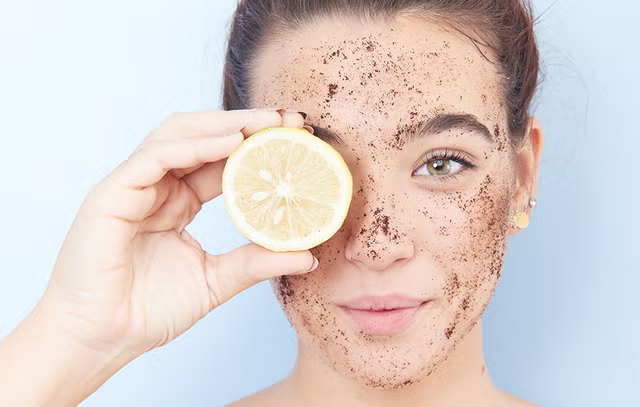
Winter brings beautiful scenery but harsh conditions for your skin. The cold outdoor air combined with dry indoor heat depletes moisture, leaving your skin rough and flaky. Therefore, your winter skincare routine should focus on protection, hydration, and nourishment.
Why Does Skin Become Dry and Dull in Winter?
Low humidity levels during winter reduce the amount of moisture in the air. As a result, your skin loses water quickly. Hot showers and heaters worsen this condition by stripping away essential oils that form your natural barrier. Over time, the skin feels tight, itchy, and lacks radiance.
Signs That Your Skin Needs More Hydration
If you notice redness, irritation, dull tone, or rough texture, your skin is dehydrated. Moreover, your lips may chap and your hands may feel cracked. Addressing these symptoms early prevents long-term damage and restores your skin’s natural glow.
Building the Perfect Winter Skincare Routine
A consistent skincare routine is essential for preventing dryness and dullness. By layering moisture-rich products, you can strengthen your skin barrier and achieve a smoother texture.
Step 1: Start with a Gentle Cleanser
Avoid harsh soaps and foaming cleansers that strip natural oils. Instead, choose cream-based or oil cleansers that clean without over-drying. Moreover, cleanse your face with lukewarm water rather than hot water to retain moisture.
Step 2: Exfoliate Mindfully
Dead skin cells accumulate faster in winter. Therefore, exfoliation becomes crucial. However, use a mild exfoliant containing lactic acid or fruit enzymes just once or twice weekly. Over-exfoliating can worsen dryness and irritation.
Step 3: Apply a Hydrating Toner
Hydrating toners refresh the skin and prepare it for serums and moisturizers. Look for ingredients like rose water, glycerin, or hyaluronic acid that lock in hydration and improve absorption of the next skincare steps.
Step 4: Use Nourishing Serums
Serums penetrate deeper into the skin and provide targeted hydration. Choose a hyaluronic acid or vitamin E serum to boost radiance and maintain elasticity. Additionally, applying serums on damp skin enhances their effectiveness.
Step 5: Moisturize Intensely
A rich, creamy moisturizer protects the skin from water loss. Go for ingredients such as shea butter, ceramides, and squalane. Moreover, apply moisturizer right after washing your face or showering to trap moisture instantly.
Step 6: Apply Sunscreen Daily
Many people skip sunscreen during winter, assuming the sun’s rays are weak. However, UV damage occurs even on cloudy days. Therefore, use a broad-spectrum SPF 30 or higher every morning.
Hydration from the Inside Out
Skincare is not just about external products. Your diet and hydration habits also determine how your skin behaves during winter.
Drink More Water
Even though you may not feel thirsty in the cold, your body still loses water through breathing and heating systems. Therefore, aim for at least eight glasses of water daily. Herbal teas, soups, and fruit-infused water are excellent hydrating alternatives.
Eat Nutrient-Rich Foods
Foods high in antioxidants, vitamins, and healthy fats help your skin fight dryness naturally. Include avocados, walnuts, citrus fruits, and green vegetables in your diet. Moreover, omega-3 fatty acids found in fish and flaxseeds help maintain the skin’s lipid barrier.
Limit Alcohol and Caffeine
Both alcohol and caffeine can dehydrate your skin. Therefore, balance your intake by drinking more water or switching to caffeine-free herbal drinks.
Protecting Your Skin Barrier
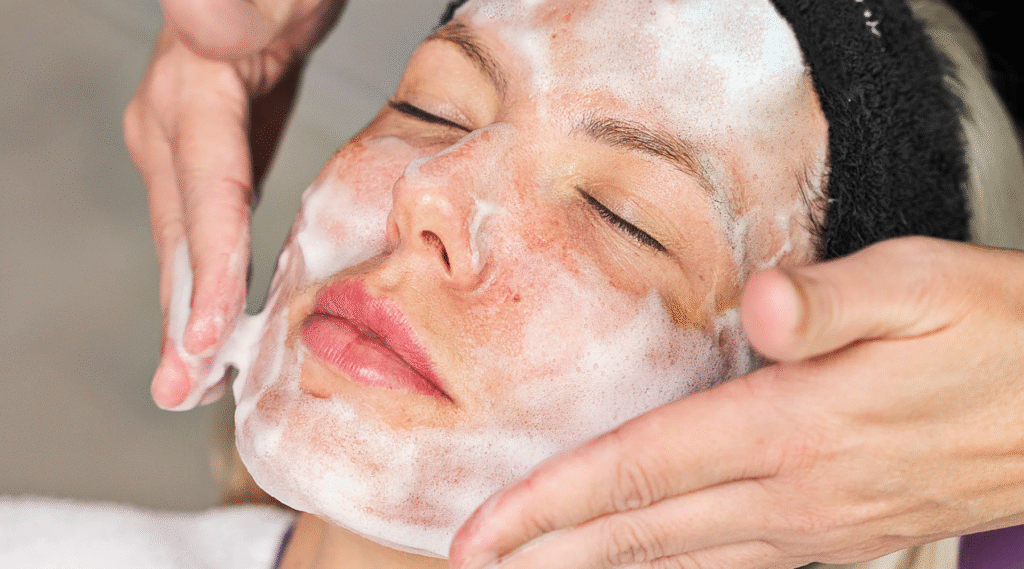
Your skin barrier acts as a shield against dryness, pollution, and irritation. Keeping it healthy ensures your skin stays supple and youthful.
Use Products with Ceramides
Ceramides help rebuild the lipid barrier that retains moisture. Therefore, using ceramide-based moisturizers strengthens your skin’s natural defense mechanism.
Avoid Over-Cleansing
Cleansing too often removes essential oils, leading to tightness and flakiness. Cleanse only twice a day and use micellar water for makeup removal.
Add Facial Oils
Facial oils seal in hydration and provide a protective layer. Oils like rosehip, jojoba, or argan oil work well for winter. Moreover, add a few drops to your night cream for extra nourishment.
Winter Skincare for Different Skin Types
Each skin type reacts differently to cold weather. Customizing your routine ensures better results.
Dry Skin
Use creamy cleansers and thick moisturizers. Moreover, apply a hydrating serum before bed to restore lost moisture overnight.
Oily Skin
Even oily skin can become dehydrated. Therefore, use lightweight gel moisturizers and non-comedogenic products that hydrate without clogging pores.
Combination Skin
Apply richer creams on dry areas and lighter lotions on oily zones. Balancing hydration keeps your skin smooth and healthy.
Sensitive Skin
Choose fragrance-free and alcohol-free products. Additionally, use minimal ingredients to avoid irritation.
Natural Home Remedies for Winter Glow
If you prefer natural skincare, certain ingredients can provide deep hydration and softness.
Honey and Yogurt Mask
Mix one tablespoon of honey with two tablespoons of yogurt. Apply for 15 minutes, then rinse off. Honey moisturizes, while yogurt brightens and soothes.
Aloe Vera Gel
Pure aloe vera gel cools the skin and locks in moisture. Therefore, use it daily after cleansing to reduce dryness.
Oatmeal Scrub
Blend oatmeal with honey for a gentle exfoliating scrub. This remedy removes dead cells while leaving your skin soft and nourished.
Lifestyle Habits That Support Winter Skincare
Good skincare goes hand in hand with healthy habits. Small changes can make a big difference.
Use a Humidifier
Indoor heating systems dry out the air. Therefore, a humidifier maintains optimal moisture levels in your room, keeping your skin hydrated.
Take Short, Warm Showers
Hot water damages your skin’s protective barrier. Instead, use warm water and limit showers to 10 minutes.
Sleep Well
Quality sleep helps the body repair and regenerate skin cells. Ensure you get at least seven hours of rest each night.
Manage Stress
High stress triggers skin inflammation and dullness. Practice yoga, deep breathing, or meditation to calm your mind and rejuvenate your skin.
Common Skincare Mistakes to Avoid in Winter
Some habits unintentionally worsen winter dryness. Avoid these common mistakes for healthier skin.
Skipping Moisturizer After Cleansing
Always moisturize immediately after washing your face. Waiting too long allows moisture to evaporate, making your skin drier.
Ignoring Hands and Lips
Hands and lips dry out quickly. Apply hand cream regularly and use lip balm with shea butter or beeswax.
Using Alcohol-Based Products
Alcohol strips away moisture and causes irritation. Therefore, choose alcohol-free toners and cleansers.
Over-Exfoliating
Too much exfoliation weakens the skin barrier. Limit exfoliation to once or twice weekly to avoid sensitivity.
Also Read : Sensitive Skin Solutions Gentle Products That Actually Work? Everything You Need To Know
Conclusion
Winter Skincare Guide Beat Dryness and Dullness Everything You Need To Know reminds us that glowing winter skin starts with mindful care and hydration. Cold weather may challenge your skin, but consistent moisture, gentle cleansing, and barrier protection ensure lasting radiance. Moreover, a balanced diet and good habits contribute to natural beauty from within. Stay hydrated, nourish your skin with rich creams and oils, and remember that skincare is self-care. By following this guide, you can confidently enjoy the winter season with soft, luminous skin.
FAQs
Q1. How often should I moisturize during winter?
Moisturize twice daily — in the morning and before bed — to maintain hydration.
Q2. Is sunscreen necessary during winter?
Yes, because UV rays still cause damage even on cloudy or cold days.
Q3. What are the best ingredients for winter skincare?
Look for hyaluronic acid, ceramides, shea butter, and glycerin for intense moisture.
Q4. How can I stop my lips from chapping in winter?
Apply a nourishing lip balm frequently and avoid licking your lips.
Q5. Can oily skin become dry in winter?
Yes, cold weather can dehydrate all skin types, including oily skin, so use lightweight hydration.
