
Sensitive Skin Solutions have become one of the most talked-about topics in skincare today. With pollution, stress, and chemical exposure on the rise, more people are experiencing redness, dryness, and irritation than ever before. Choosing the right skincare routine for sensitive skin can be confusing, especially with so many products claiming to be “gentle” yet causing breakouts or discomfort. This detailed guide explores the real solutions for sensitive skin and introduces gentle products that truly work without triggering irritation.
Understanding Sensitive Skin

Sensitive skin reacts easily to external factors like weather, ingredients, or even certain fabrics. It tends to feel tight, itchy, or red after using harsh skincare products or cleansers. People with this skin type must approach skincare with caution because even mild-sounding ingredients can cause inflammation.
Common Causes of Sensitive Skin
Several factors lead to skin sensitivity. Genetics, environmental conditions, lifestyle habits, and skincare choices play major roles. Over-exfoliating, using alcohol-based toners, and applying strong acids without guidance can strip the skin barrier, making it more vulnerable. Even using very hot water or skipping moisturizer can worsen sensitivity. Identifying the cause of irritation helps create an effective routine tailored for calm, balanced skin.
Signs You Have Sensitive Skin
If your skin frequently feels dry, burns after applying products, or reacts to new skincare easily, it may be sensitive. Other signs include frequent redness, visible veins, peeling, and a stinging sensation after cleansing. People with eczema, rosacea, or dermatitis also fall into this category. Recognizing these symptoms early can prevent long-term damage and discomfort.
Building the Right Skincare Routine for Sensitive Skin
A well-balanced skincare routine can help restore harmony and strengthen the skin’s natural defense. The key is simplicity — fewer steps, gentle formulas, and consistency.
Step 1: Gentle Cleansing
Cleansing forms the foundation of every skincare routine. For sensitive skin, choose a mild, fragrance-free cleanser with a creamy or gel texture. Ingredients like glycerin, aloe vera, and panthenol help cleanse while maintaining moisture. Avoid foaming cleansers with sulfates as they strip essential oils and disrupt the skin barrier. Washing with lukewarm water instead of hot water keeps the skin calm and hydrated.
Step 2: Hydration and Moisture
Hydration is crucial for sensitive skin. A soothing moisturizer helps lock in moisture and rebuild the protective barrier. Look for ingredients such as ceramides, squalane, and hyaluronic acid. These ingredients strengthen the skin’s structure and prevent dryness. Using a fragrance-free moisturizer twice daily ensures continuous protection. If your skin feels extra dry, layer a hydrating serum before your moisturizer to enhance results.
Step 3: Sun Protection
Sun exposure is one of the biggest triggers for sensitive skin reactions. Always use a broad-spectrum sunscreen with SPF 30 or higher. Physical or mineral sunscreens containing zinc oxide or titanium dioxide work best since they sit on the skin’s surface and reflect UV rays instead of being absorbed. Chemical sunscreens may irritate sensitive skin, so choosing mineral-based protection ensures comfort and safety.
Step 4: Repair and Soothe
Sensitive skin often needs extra care to repair its damaged barrier. Products containing niacinamide, centella asiatica (cica), and chamomile extract help calm redness and strengthen the skin’s defense. Overnight masks or soothing balms can be used a few times a week for added nourishment. Always patch-test new products to ensure they suit your skin before applying them fully.
Step 5: Avoid Harsh Ingredients
Avoiding certain ingredients is just as important as choosing the right ones. Stay away from alcohol, synthetic fragrance, parabens, and harsh exfoliating acids. Instead, opt for gentle exfoliation using lactic acid or fruit enzymes once a week. A mild routine keeps your skin happy, healthy, and irritation-free.
Best Ingredients for Sensitive Skin
Understanding which ingredients to embrace can make a huge difference. Some ingredients actively repair and soothe the skin while maintaining hydration.
Ceramides
Ceramides are essential lipids that form a protective layer, preventing moisture loss and shielding the skin from external irritants. Using ceramide-based moisturizers helps rebuild the natural barrier and improve skin texture.
Aloe Vera
Aloe vera cools and soothes irritated skin. It contains natural anti-inflammatory properties that calm redness, itching, and discomfort. Regular use helps maintain balance and hydration.
Niacinamide
Niacinamide (Vitamin B3) strengthens the skin barrier, evens out tone, and reduces redness. It’s one of the most well-tolerated ingredients for sensitive skin and works well in both serums and moisturizers.
Hyaluronic Acid
Hyaluronic acid keeps skin hydrated by retaining water within the layers. It leaves the skin soft, plump, and comfortable without any greasy feel.
Green Tea Extract
Green tea extract provides antioxidants that fight free radicals while calming inflammation. It also helps protect sensitive skin from environmental stress and irritation.
Gentle Products That Actually Work
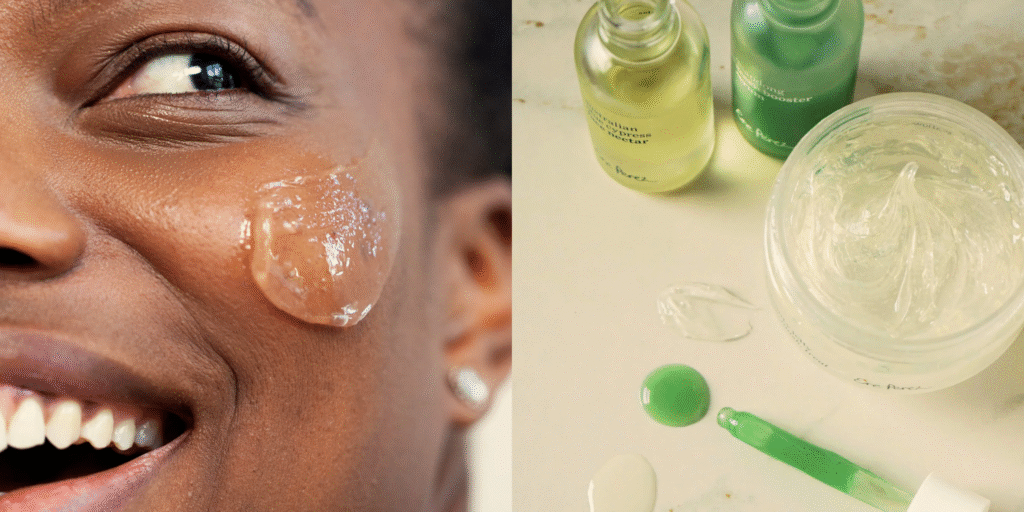
Finding products that truly work for sensitive skin requires research and patience. Dermatologist-tested, fragrance-free formulas often perform best.
Cleansers
A good cleanser for sensitive skin should be non-stripping and mild. Cream or gel-based cleansers remove impurities while maintaining balance. Choose formulas containing ceramides, aloe, or oat extract.
Moisturizers
Hydration plays a central role in sensitive skin management. Lightweight creams enriched with ceramides, glycerin, and shea butter restore lost moisture and repair the skin barrier. Using them consistently ensures lasting comfort.
Sunscreens
Mineral sunscreens are ideal for sensitive skin. They reflect UV rays instead of absorbing them, reducing the risk of irritation. Opt for a non-comedogenic formula with SPF 30 or higher to protect without clogging pores.
Serums
Serums with calming ingredients like niacinamide or panthenol work wonders for redness and inflammation. These formulations penetrate deeper into the skin to provide lasting relief and hydration.
Masks
Soothing masks with cucumber, chamomile, or cica instantly calm irritation. Use them once or twice a week to rejuvenate and restore balance after exposure to environmental stressors.
Everyday Tips for Managing Sensitive Skin
Sensitive skin requires not only the right products but also the right habits. Small changes in lifestyle and environment can make a big difference in keeping irritation away.
Keep Your Routine Simple
Using too many products can confuse the skin and cause reactions. Stick to a simple three-to-four-step routine that includes cleansing, moisturizing, and sunscreen.
Patch Test Every Product
Before introducing any new product, apply a small amount on your wrist or behind your ear. Wait 24 hours to see if any redness or itching occurs. This step helps prevent unwanted reactions.
Maintain a Balanced Diet
Healthy skin starts from within. Eating foods rich in antioxidants, omega-3 fatty acids, and vitamins supports the skin barrier naturally. Drink enough water to maintain hydration throughout the day.
Avoid Over-Exfoliation
Exfoliating too frequently damages the skin’s protective layer. Limit exfoliation to once a week using mild products to prevent dryness and irritation.
Manage Stress
Stress often triggers inflammation and breakouts. Practicing relaxation techniques like yoga, meditation, or simple breathing exercises helps keep skin calm and balanced.
Dermatologist Advice for Sensitive Skin
Dermatologists emphasize that understanding your skin type is crucial before choosing products. Regular consultations ensure that you’re using the right formulations and avoiding potential irritants. Dermatologists often recommend fragrance-free, hypoallergenic products and remind patients to moisturize consistently. Additionally, avoiding sudden changes in skincare routines helps prevent flare-ups.
Seasonal Care for Sensitive Skin
Your skin’s needs change with the weather. Adapting your skincare routine seasonally ensures consistent comfort and protection.
Winter Care
During winter, cold air and indoor heating strip moisture from your skin. Switch to richer moisturizers and hydrating serums to lock in moisture. Use gentle cleansers to prevent dryness.
Summer Care
In summer, sweat and humidity can increase sensitivity. Use lightweight, non-greasy products that allow your skin to breathe. Sunscreen becomes even more essential during this season to prevent UV damage.
When to See a Dermatologist
If your skin remains irritated despite gentle care, consult a dermatologist. Persistent redness, itching, or flaking may indicate underlying conditions like eczema or rosacea that need professional treatment. Early diagnosis helps prevent long-term damage and discomfort.
Common Mistakes to Avoid
Many people unknowingly make mistakes that worsen skin sensitivity. Avoid overusing new skincare products or mixing too many active ingredients. Don’t skip sunscreen, even on cloudy days. Lastly, avoid using very hot water for cleansing, as it removes natural oils and leads to dryness.
Long-Term Care for Sensitive Skin
Sensitive skin needs patience and consistency. Long-term care involves maintaining a simple routine, staying hydrated, and protecting the skin from external stress. Over time, following these steps strengthens the barrier, reduces redness, and brings a healthy glow.
Also Read : Winter Skincare Guide Beat Dryness and Dullness Everything You Need To Know
Conclusion
In conclusion, Sensitive Skin Solutions revolve around one core principle — balance. Sensitive skin thrives when treated gently with hydration, protection, and minimal intervention. By choosing dermatologist-approved, fragrance-free, and non-irritating products, you can restore comfort and confidence to your complexion. Consistency, patience, and awareness of ingredients are key to maintaining calm and resilient skin. With the right approach, sensitive skin can look radiant, healthy, and irritation-free every day.
FAQs
1. How can I know if I have sensitive skin?
If your skin often becomes red, itchy, or irritated after applying skincare products, you likely have sensitive skin.
2. Are natural products always safe for sensitive skin?
Not always. Some natural ingredients can still cause reactions. Always patch-test before use.
3. Can sensitive skin use exfoliants?
Yes, but choose mild exfoliants like lactic acid or enzyme-based scrubs and limit use to once a week.
4. What is the best moisturizer for sensitive skin?
A fragrance-free moisturizer with ceramides, squalane, or glycerin works best for sensitive skin.
5. How can I prevent my skin from reacting to new products?
Introduce one new product at a time, patch-test it, and wait several days before adding another.
