
Your credit score plays a crucial role in determining your financial future. Before applying for a loan—whether it’s a mortgage, car loan, or personal loan—improving your credit score can make a significant difference in the interest rate, approval chances, and overall borrowing power. This detailed guide explains how to improve your credit score before applying for a loan, why it matters, and what steps you can take to strengthen your financial standing.
Understanding Credit Scores
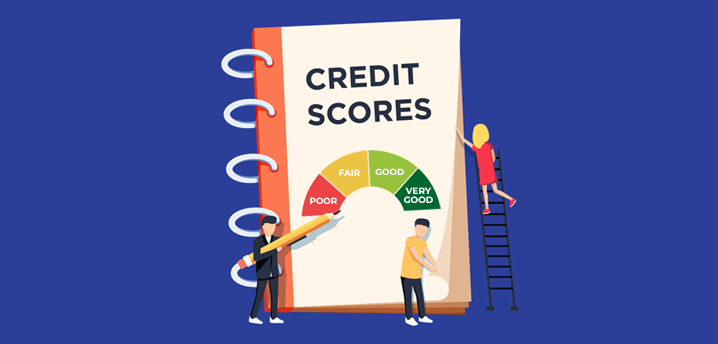
A credit score is a three-digit number that represents your creditworthiness. Lenders use it to decide whether to approve your loan and what interest rate to offer.
What Is a Credit Score?
A credit score typically ranges from 300 to 850. The higher the score, the better your creditworthiness. It’s calculated based on several factors such as payment history, credit utilization, length of credit history, new credit inquiries, and types of credit used.
Why Your Credit Score Matters for Loans
When you apply for a loan, lenders want to ensure you can repay it responsibly. A strong credit score gives them confidence, while a poor score might lead to higher interest rates or even rejection. Therefore, understanding your score and improving it before applying for a loan can save you thousands of dollars in the long run.
Checking Your Credit Report
Before working on your credit score, you need to know where you stand.
How to Access Your Credit Report
You can get a free copy of your credit report annually from credit bureaus such as Equifax, Experian, and TransUnion. Reviewing it helps identify errors or outdated information.
Identifying Errors and Disputing Them
Sometimes, credit reports contain mistakes such as incorrect account details or fraudulent activity. If you find any errors, contact the bureau immediately and file a dispute. Correcting these issues can quickly boost your score.
Factors That Influence Your Credit Score

Your credit score depends on how responsibly you manage credit over time.
Payment History
Payment history accounts for the largest portion of your score. Consistently paying bills on time shows lenders that you are reliable.
Credit Utilization Ratio
This ratio compares your credit card balances to your credit limits. Ideally, you should use less than 30% of your available credit. Keeping balances low signals good money management.
Length of Credit History
The longer your accounts have been open, the more stable your credit profile appears. Therefore, avoid closing old accounts unless necessary.
Types of Credit
A mix of different credit accounts—such as credit cards, car loans, and mortgages—demonstrates financial versatility and helps strengthen your score.
Recent Credit Inquiries
Applying for several credit accounts in a short time can reduce your score slightly. Therefore, limit new applications before seeking a major loan.
Steps to Improve Your Credit Score Before Applying for a Loan
Improving your credit score takes time and discipline. However, consistent effort can yield impressive results within months.
Step 1: Pay Your Bills on Time
Timely payments are the foundation of a healthy credit score. Set up automatic payments or reminders to avoid missing due dates. Even one late payment can significantly harm your score.
Step 2: Reduce Outstanding Debt
Lowering your debt balances improves your credit utilization ratio. Focus on paying off high-interest accounts first while maintaining minimum payments on others.
Step 3: Increase Your Credit Limit
If you have a good payment history, request a higher credit limit. This instantly reduces your utilization ratio, provided you don’t increase spending.
Step 4: Avoid Opening New Accounts
Each credit application triggers a hard inquiry, which can slightly lower your score. Therefore, avoid opening new credit lines before applying for a loan.
Step 5: Keep Old Accounts Open
Length of credit history is valuable. Keeping old accounts open, especially those in good standing, helps maintain your average account age.
Step 6: Diversify Your Credit Mix
Lenders favor borrowers with varied credit types. If you only have credit cards, consider adding a small personal or installment loan—provided it fits your financial situation.
Step 7: Monitor Your Credit Regularly
Using a credit monitoring service helps track progress and alerts you about suspicious activity. Staying informed helps you take corrective actions faster.
Smart Financial Habits to Build Long-Term Credit Strength
Improving your credit score is not just a one-time effort; it requires ongoing commitment.
Budget Wisely
Create a monthly budget to track income, expenses, and savings. Managing finances effectively reduces the need for excessive borrowing and prevents missed payments.
Save for Emergencies
Having an emergency fund ensures that unexpected expenses do not force you into high-interest debt. This stability protects your credit score during financial challenges.
Limit Credit Card Usage
Avoid maxing out your credit cards. Instead, pay off balances in full each month or maintain utilization below 30%.
Set Financial Goals
Establishing short-term and long-term goals keeps you focused. Whether you want to buy a home, start a business, or consolidate debt, a strong credit score supports those objectives.
How Long Does It Take to Improve a Credit Score?
Improving your credit score is a gradual process. Minor improvements can occur within a few months, but significant progress might take six months to a year, depending on your credit history. Consistent positive habits such as timely payments and reduced debt yield lasting results.
Common Mistakes to Avoid When Building Credit
Avoiding common pitfalls ensures steady progress toward a better score.
Missing Payments
Even a single missed payment can harm your score for months. Always prioritize timely payments.
Closing Credit Cards Too Soon
Closing old accounts reduces your average credit age and available credit, which can hurt your score.
Taking On Too Much Debt
Carrying large balances signals financial stress to lenders. Borrow responsibly and within your repayment capacity.
Ignoring Credit Reports
Not reviewing your credit report regularly might cause you to overlook errors or fraudulent activities that lower your score.
Preparing to Apply for a Loan
Once your credit score improves, preparation ensures a smoother loan application process.
Research Different Lenders
Compare interest rates, terms, and requirements among multiple lenders. A strong credit score gives you negotiation power.
Gather Required Documents
Organize necessary paperwork, including proof of income, tax returns, and identification. Being prepared speeds up the approval process.
Check Your Debt-to-Income Ratio
Lenders assess your ability to repay by comparing monthly debt payments to your income. Keeping this ratio low improves your approval chances.
Avoid New Credit Before Approval
Wait until your loan is finalized before applying for any new credit cards or financing options to prevent score fluctuations.
Rebuilding a Poor Credit Score
If your score is currently low, it’s never too late to rebuild.
Start with a Secured Credit Card
A secured card backed by a cash deposit helps rebuild credit safely. Make small purchases and pay them off monthly.
Use a Co-Signer
If possible, apply for loans or credit cards with a trusted co-signer who has strong credit. This improves your approval odds and helps build your history.
Pay Off Collections
Settling collection accounts can positively impact your score over time. Ensure that lenders update your records after payment.
The Benefits of a High Credit Score
A high credit score offers financial freedom and access to better loan opportunities.
Lower Interest Rates
Good credit allows you to secure loans with lower interest rates, saving money in the long term.
Faster Approvals
Lenders process applications from high-score borrowers faster, reducing waiting time.
Better Loan Terms
With strong credit, you can negotiate favorable repayment terms, lower fees, and higher loan limits.
Easier Access to Rentals and Jobs
Some employers and landlords check credit history. A good score reflects responsibility and reliability.
Also Read : Home Loan Tips: How to Get the Best Interest Rate in 2025
Conclusion
How to Improve Your Credit Score Before Applying for a Loan? Everything You Need To Know emphasizes that financial discipline, smart credit management, and regular monitoring are key to success. By paying bills on time, maintaining low balances, and avoiding unnecessary credit inquiries, you can build a strong credit profile. Moreover, reviewing your credit report regularly helps detect and fix errors before they harm your score. Remember, improving your credit score isn’t an overnight process—it’s a journey that rewards patience and responsibility. A higher score not only enhances your chances of loan approval but also opens doors to financial stability and future opportunities.
FAQs
Q1. How long does it take to see improvement in my credit score?
You can see minor improvements within a few months, but consistent progress may take six months to a year.
Q2. Will checking my credit score lower it?
No, checking your own credit score is considered a soft inquiry and doesn’t affect your score.
Q3. What’s the ideal credit utilization ratio?
Keep your credit card balances below 30% of your available limit for optimal results.
Q4. Should I close unused credit cards to improve my score?
No, keeping old accounts open can help maintain your credit history length and available credit.
Q5. Can paying off all my debt instantly raise my credit score?
Paying off debt helps over time, but other factors like payment history and credit age also influence your score.
