
Tips to Avoid Loan Scams and Protect Your Finances — in today’s digital age, financial security has become more crucial than ever. Many people turn to loans for education, housing, or emergencies, but scammers are waiting to take advantage of unsuspecting borrowers. Knowing how to identify and avoid loan scams is essential to safeguard your personal and financial information. This comprehensive guide will help you recognize warning signs, choose legitimate lenders, and protect your hard-earned money.
Understanding Loan Scams
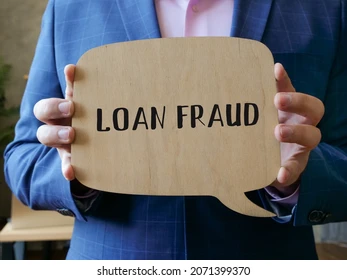
Loan scams are fraudulent schemes where criminals pose as legitimate lenders to steal money or sensitive information from individuals. They promise quick approvals, low-interest rates, or guaranteed approval, but their ultimate goal is deception. These scams are common both online and offline, targeting people desperate for financial help.
Common Types of Loan Scams
Scammers use various tactics to trick borrowers. Here are the most common ones:
Advance Fee Loan Scams
Scammers ask for a processing fee before approving your loan. Once you pay, they disappear with your money. Legitimate lenders never ask for upfront payments before loan approval.
Phishing Scams
Fraudsters send fake emails or messages pretending to be from real financial institutions. They use these to collect personal details like your social security number or bank information.
Guaranteed Approval Offers
No legitimate lender guarantees approval without checking your credit history or financial background. Such offers are red flags that indicate a scam.
Fake Lender Websites
Some scammers create websites that look exactly like those of real banks. They use these sites to trick people into entering sensitive information or making payments.
Debt Relief or Loan Consolidation Scams
Scammers claim they can lower your debt or interest rate for a fee. They may even collect your loan payments and never forward them to your lender.
Warning Signs of Loan Scams
It’s easy to get tempted by attractive loan offers, but recognizing warning signs can save you from major losses.
Unregistered Lenders
Always verify that the lender is registered with the financial authority in your country. Unregistered lenders often operate illegally.
No Physical Address or Contact Information
Legitimate lenders have clear contact details and physical offices. If a company refuses to provide an address or only uses P.O. boxes, it’s a red flag.
Pressure to Act Quickly
Scammers create urgency, urging you to make quick decisions. Take your time to research and confirm the lender’s legitimacy before agreeing to any terms.
Requests for Upfront Payments
Legitimate lenders deduct fees from the loan amount after disbursement, not before. Avoid any lender who asks for upfront cash.
Unprofessional Communication
Scammers often use poorly written emails or messages with grammatical errors. A reputable lender maintains professional communication at all times.
How to Verify a Lender’s Authenticity
Check Registration and Licensing
Before applying, confirm the lender is licensed with your state or country’s financial regulatory body. You can check this information on official government websites.
Research Reviews and Reputation
Look for customer feedback online. If multiple people report fraud or poor experiences, avoid that lender.
Examine the Website
Ensure the website URL begins with “https” and has proper security certificates. Avoid websites that lack secure payment options or appear newly created.
Ask Questions
A legitimate lender will clearly explain loan terms, interest rates, and repayment schedules. If someone avoids these questions, it’s a warning sign.
Steps to Protect Your Finances
Keep Your Personal Information Private
Never share sensitive data such as your bank account number, password, or PIN with anyone unless you are certain of their legitimacy.
Use Secure Payment Methods
If you must pay fees, use secure and traceable payment methods like credit cards or verified payment platforms. Avoid wire transfers or gift cards.
Monitor Your Credit Report
Regularly review your credit report to detect any unauthorized loans or activities. You can dispute any suspicious activity immediately.
Educate Yourself About Scams
Stay updated with the latest financial fraud tactics. Awareness is the first step in prevention.
What to Do If You’ve Been Scammed
Contact Your Bank Immediately
If you’ve shared financial details, alert your bank right away. They can freeze your accounts or issue new cards to prevent further loss.
Report to Authorities
File a report with your local police and financial regulatory authorities. Provide all relevant details, such as receipts, messages, or emails.
Notify Credit Bureaus
Inform credit bureaus about the incident. They can monitor your credit profile for suspicious activities and alert you of potential fraud.
Change Your Passwords
Update passwords for all your online accounts, especially those linked to your finances. Use strong, unique passwords for extra protection.
How to Choose Safe Loan Options
Borrow from Trusted Institutions
Stick to banks, credit unions, or established online lenders with verifiable credentials.
Read the Fine Print
Always read and understand loan agreements. Look out for hidden charges, unclear terms, or high penalties.
Avoid Unrealistic Offers
If an offer sounds too good to be true, it probably is. Compare interest rates and repayment terms across multiple lenders.
Consult Financial Experts
Seek advice from financial advisors before signing any loan documents. They can help you identify potential risks.
Digital Safety Practices for Loan Applications
Use Secure Networks
Never apply for a loan using public Wi-Fi. Hackers can easily intercept your information on unsecured networks.
Install Security Software
Use reliable antivirus and anti-malware software to protect your devices from phishing and identity theft attempts.
Verify Emails and Messages
Before clicking any links or attachments, confirm that the sender’s email address belongs to an official domain.
Maintaining Financial Discipline
Beyond avoiding scams, maintaining financial discipline ensures long-term security. Build an emergency fund, pay bills on time, and avoid taking unnecessary loans. Managing your finances wisely will reduce your dependency on lenders and protect you from falling into traps.
Also Read : Education Loans Explained Funding Your Dreams the Smart Way? Everything You Need To Know
Conclusion
Avoiding loan scams requires awareness, caution, and proactive financial management. Scammers constantly evolve their methods, but understanding how they operate helps you stay ahead. Always research lenders, verify credentials, and read every document carefully. Remember, protecting your finances is not just about earning money—it’s about making wise decisions that keep your future secure.
FAQs
Q1. How can I identify a fake loan offer?
Fake offers usually include guaranteed approval, requests for upfront fees, or unverified contact details.
Q2. What should I do if I accidentally shared my financial details with a scammer?
Immediately contact your bank, report the fraud, and change all passwords linked to your financial accounts.
Q3. Are online lenders safe to use?
Yes, as long as they are registered, have secure websites, and maintain transparent terms. Always verify before applying.
Q4. Can I recover money lost to a loan scam?
Recovery depends on how quickly you report the incident. Contact your bank and authorities immediately to increase your chances.
Q5. How can I stay informed about new loan scams?
Regularly visit your country’s financial regulatory websites or subscribe to consumer protection alerts.
